Mosquito Traps – the Ultimate Vampire Slayers?
Thanks to Dracula, Buffy the Vampire Slayer and Twilight, vampires are hot and popular. However there is one little bloodsucker that will never be welcome; our old foe and original vampire – the mosquito!
In the animal world, blood-feeding insects and mammals really do exist. Many insects like ticks and fleas as well as mosquitoes, feed on blood. Protein, the building blocks of all cells, is found in blood, and it is the protein in blood that mosquitoes require before they can produce and lay a batch of eggs.
However, human beings are not the only blood hosts that mosquitoes attack. These bloodthirsty insects are also known to feed on horses, cows, cats and dogs, as well as birds, lizards, fish, bats and even caterpillars for a blood meal.
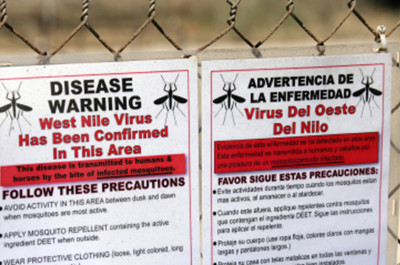
While mosquito bites are typically just itchy and annoying, it’s the potential to make us sick we fear the most. Mosquito-borne diseases are among the world’s leading causes of illness and death today. The World Health Organization estimates that more than 300 million clinical cases each year are attributable to mosquito-borne illnesses. Some of the more deadly diseases include; malaria, West Nile virus, chikungunya fever and dengue fever. In countries where disease is rampant, mosquitoes are regarded as public enemy Number One.
Global warming, climate change and international air travel have all aided and abetted the mosquitoes’ global march and triggered a worldwide outbreak of mosquito-borne diseases. “Many diseases are ‘highly sensitive’ to climates and climate temperatures, and malaria and dengue fever can be expected to spread to new areas.” John Holmes, the United Nations undersecretary-general for humanitarian affairs and disaster relief told WorldNetDaily, (Dec.17 2009).
In 2009 the threat of swine flu sparked a panic and the World Health Organization (WHO) declared a pandemic. Read more…


The Mega-Catch™ 3000 combo lure has been developed to provide even better capture rates of targeted species like the Asian Tiger, a vicious day-time biter, and recognized laboratory vector of over 30 arboviruses including West Nile virus and Dengue fever.