Archive

Archive for the ‘Mosquito Traps’ Category

Use a Mosquito Trap at your Outdoor Wedding and say “I Don’t” to Mosquitoes

March 21st, 2012 No comments

                                                                                           (photo: Sarah-lee ‘Oto)

Summer;  it’s a popular time for weddings and mosquitoes.  And while Winston Churchill probably wasn’t the first person you thought of when you got engaged; he knew a thing or two when he said “He who fails to plan is planning to fail”.

Attract, Trap, ENJOY!
The one thing you do need to plan for with a summer wedding, especially if it’s going to be outdoors, is mosquitoes.  To help create a ‘no-fly zone’ at your outdoor venue, consider a mosquito trap – they work by attracting, trapping, then killing mosquitoes. 

Most mosquito traps are designed to catch immediately there are any mosquitoes around however, should be set up at least 2-3 weeks in advance of the big day. That’s because it typically takes that amount of time to disrupt breeding cycles and reduce mosquito populations. This will help decrease the risk of getting bitten as well as the possibility of getting sick from the many diseases mosquitoes carry.  

Cost, coverage area and guest safety are all important factors when deciding which brand to use.  Eco-friendly, Mega-Catch™ mosquito traps don’t use pesticides or propane, instead these multi attractant traps mimic the smell and sight of prey, fooling mosquitoes into sensing a blood meal close at hand. When they get near, powerful fans sweep them into the trap’s catch container where they eventually die. 

Source Reduction
Make sure that there are no areas of ‘standing water’ where mosquitoes can breed.  Birdbaths, buckets, wheelbarrows, pot plant saucers – anything that holds water is a potential mosquito nursery.

Repel
Mosquito repellents should be regarded as staple for any outdoor event.  However while repellents provide excellent personal protection, they don’t actually kill mosquitoes.  That’s why you need mosquito traps. Read more…

Mega-Catch™ Unveils New Generation Mosquito Trap

June 28th, 2011 No comments

There are more than 3,500 species of mosquitoes worldwide and about 200 species occur in the U.S.  Each species is unique and each is attracted by different combinations of sensory stimuli including different spectral frequencies and different by-products of human/animal activity like perspiration.  Research has shown that even miniscule changes in the concentration of these stimuli can have an impact on catch rates.  In almost all cases it is important that stimuli fluctuate rather than be static in order to mimic human activity.

Evolving Technology
Mega-Catch’s™ PRO 900 Series Mosquito Traps have been specifically designed with all these considerations in mind.  Combining proven performance, ground breaking features plus Mega-Catch’s™ patented technology, the PRO 900 Series represents a dramatic increase in trap capabilities.  With the addition of a brand new model, the PREMIER XC, there are now four traps included in the PRO 900 Series line up.  

Technical Advancements
The latest mosquito control technology at the touch of a button!  The Mega-Catch™ PREMIER XC Mosquito Trap, or so called ‘transformer trap’ can attract mosquitoes and other biting insects from as far away as 120 feet. 

Both safe and effective, this state of the art machine employs a sophisticated infrared energy source combined with an integrated LED lighting display, which produces light in the visible and invisible spectrum at oscillating frequencies known to attract most mosquito species.  The XC can be further enhanced with the use of optional attractants; the Mega-Catch™ Octenol fragrance strip, or the Mega-Catch™ 3000 combination lure.  The combination lure, developed by Mega-Catch™ and released in 2010, was specifically formulated to increase capture rates of nuisance mosquitoes including the invasive, disease carrying, Asian Tiger mosquito (Aedes albopictus).

Read more…

Categories: Mosquito Traps

Mosquitoes Prefer Mega-Catch™ Mosquito Traps

October 30th, 2010 1 comment

Scientifically and independently tested around the world, Mega-Catch™ mosquito traps have consistently outperformed other brands.

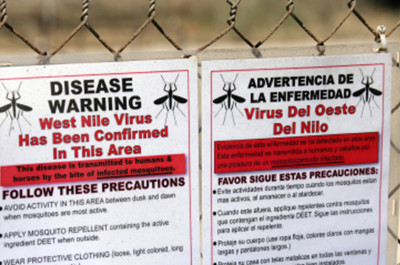
Sparked by the emergence of diseases in the U.S. like West Nile Virus and Dengue, consumer demand for mosquito control devices has increased along with the number of companies manufacturing mosquito traps.  Mega-Catch™ mosquito traps have some impressive customer feedback, but even more convincing are the test results.

Mega-Catch™ in Malaysia

Mega-Catch™ mosquito traps were developed after an extensive worldwide testing program.  In early 2000 Professor Yap Han Heng from the Vector Control Research Unit, School of Biological Sciences, University Sains Malaysia was engaged to advise on and test Mega-Catch™ trap designs in South East Asia. One of the primary objectives was to develop a trap which would attract and capture the Asian tiger mosquito (Aedes albopictus), a voracious daytime biter and vector of over 30 arboviruses including West Nile Virus (WNV) and Dengue fever.  Tests carried out in a reserve forest at Minden Campus, University Sains Malaysia in the Penang Island led Professor Yap Heng to conclude that Mega-Catch™ was effective against the Asian tiger mosquito in outdoor  conditions in tropical environments.

Mega-Catch™ in the U.S.

1.Mega-Catch™ out-catches Mosquito Magnet® Pro and Mosquito Magnet® Residential

In 2001 the Mega-Catch™ ULTRA and Mosquito Magnet® Pro and Residential traps were put to the test in central Florida by USDA research entomologist Dr Daniel Kline.  The test was conducted over about three weeks at three different locations; a laboratory, a yard in a residential neighborhood and in a wildlife refuge. The catch varied by location, but the overall result was that the Mega-Catch™ trap captured about twice the number of Aedes aegypti – the yellow fever mosquito – and a larger general variety of other mosquitoes than did the Mosquito Magnet®. Read more…

Mosquito Traps Form Part Of An Effective Mosquito Control Program

March 31st, 2010 No comments

Not every kind of mosquito carries every kind of disease, however a single bite from the right mosquito at the right time, and you’re infected.  Prevention…the best protection!  Because according to University of Florida entomologist Jerry Butler, “By reducing the feeding rates just a little, you reduce the probability of transmission of diseases greatly“. 

Mosquitoes love to feed on humans, and selecting their next meal is relatively easy for these high tech hunters with compound eyes capable of spotting the slightest movements and receptors so sensitive, they can detect the smell of CO2 in a person’s breath from as far away as 400 meters.  Lucky for us, those same abilities also tend to lead them straight into mosquito traps. Read more…

Climate Change Linked to Global Spread of Mosquitoes and Mosquito Borne Diseases

January 9th, 2010 No comments

When talking about climate change, we are not talking about something which is a future threat. We are not talking about something which may or may not happen in 50 years time, or 20 years time. We are talking about something which is happening now in terms of the effects of climate change on peoples’ lives now…” John Holmes, the United Nations undersecretary-general for humanitarian affairs and disaster relief told WorldNetDaily, (Dec.17 2009).

Climate is an important factor in all sorts of things that our health depends on. The Global Humanitarian Forum claims that 300,000 people are already dying each year because of climate change induced malnutrition, diarrhea and malaria as well as extreme weather events. Rice yields are known to decline by 10 percent for each additional 1 degree celsius rise in temperature, and salmonella bacteria like hotter weather as do mosquitoes.

Predictions are that hotter summers and milder winters will lead to an increase in mosquito-borne diseases. “Many diseases are ‘highly sensitive’ to climates and climate temperatures, and malaria and dengue fever can be expected to spread to new areas.” says Holmes.

Dengue fever occurs mostly in tropical and subtropical countries in Asia and Latin America but also affects countries like Australia (Queensland) and the United States (Puerto Rico, Texas-Mexico border, Hawaii and the US-affiliated Pacific Islands). In 2008 and 2009, severe dengue epidemics were reported in Mexico, Paraguay, Brazil, Bolivia and Argentina. And in early 2009, Queensland experienced its worst dengue outbreak in 50 years with more than 1000 people infected and one woman killed. The spread throughout regional cities including Cairns and Townsville was so rampant, experts held a dengue summit, summoning experts from all over the world.

Dengue is spread by two mosquito species; the yellow fever mosquito (Aedes aegypti) and the Asian tiger mosquito (Aedes albopictus). Both these mosquitoes are aggressive daytime biters and lay their eggs on the sides of any water-filled containers. However the Asian tiger is more cold-tolerant than Aedes aegypti mosquitoes, and can spread more easily. The Asian tiger mosquito is a disease bearer or ‘vector’ of over 30 arboviruses including West Nile virus, various strains of encephalitis and Chikungunya fever, making it the most significant nuisance mosquito worldwide.

Because there are still no vaccines to protect against many mosquito-borne diseases, the Centers for Disease Control (CDC) advise that preventing the bite is the best protection. Read more…

How To Kill Mosquitoes

December 8th, 2009 No comments

How-to-Kill-MosquitoesAdmit it. There’s nothing quite so satisfying as giving that newly landed mosquito a well deserved swat or slap. That is until it disintigrates into a mushy pool of blood on your arm – and you realize it’s your blood!

Not only do you have a fast developing itchy mosquito bite to deal with, you’ve got major blood, guts and gore to clean up as well. 

Amongst mosquitoes, it’s only the female that bites, and she will continue to bite and draw blood until her abdomen is full. If she is interrupted before she is full, she will just fly to the next available person. After filling up, she will give it a rest for two or three days, lay her eggs, then is up and off and ready to bite again.

Scientists have discovered that 1 in 10 people are highly attractive to mosquitoes and that 85% of susceptibility is genetics. In short a mosquito magnet! [1]  They’ve also identified certain elements of our body chemistry that invite mosquitoes to swarm closer. You are more likely to be a target if you produce excess amounts of uric acid, have high concentrations of steroids on your skin or if you’re pregnant. Pregnant women produce greater amounts of exhaled carbon dioxide – a known mosquito attractant.

There’s a tremendous amount of research being conducted on what compounds and odors people exude that might be attractive to mosquitoes,” says Joeseph Conlon, technical advisor to the American Mosquito Control Association (AMCA).

Unfortunately with over 400 different compounds to examine, it’s a long and laborious process and researchers are only just starting to scratch the surface.

If you don’t want the bite, then you need something that scares off the skeeters. DEET has been around since the 1950′s and is regarded as the most effective chemical repellent on the market. But just how safe is it to coat yourself in chemical based products like DEET? A substance by the way that is known to melt plastic. The Environmental Protection Agency (EPA) concluded: “as long as consumers follow label directions and take proper precautions, insect repellents containing DEET do not present a health concern.” 

  • Use sparingly
  • Avoid spraying on or near open skin,eyes, mouth, and nose, under clothing, or near food
  • Wash treated skin with soap and water

In 2005, the Centers for Disease Control (CDC) began recommending Picaridin as an alternative repellent. Proven to be as effective as DEET, it has been used worldwide since 1998, and is light, clean and virtually odorless.

However while repellents provide excellent personal protection, they don’t actually kill mosquitoes.  So if you do want to cut down on the number of potential blood suckers in your yard, then a mosquito trap could be the answer. The complete opposite of repellents; they work by attracting, trapping, then killing female mosquitoes.

And when placed strategically near known breeding sites, “they have knocked mosquito populations down,” reports Conlon.(WebMD, July 28, 2009)

While there are a number of brands out there, Mega-Catch™ are amongst the highest rated mosquito traps Read more…

Categories: Mosquito Traps

Take the Bite of Your Backyard Barbecue with a Mosquito Trap

November 4th, 2009 No comments


BBQ-Bite-Megacatch

Top Ten Tips for Barbecue Bliss:

1.         If you want to avoid an onslaught of mosquito bites at your next outdoor gathering, try relaxing on the nearest deck chair.  Mosquitoes sense movement and head towards it.  When you pant from exertion, the smell of carbon dioxide (C02) from heavy breathing draws them even closer.  Mosquitoes can smell their dinner from an impressive distance of up to 50 meters which doesn’t bode well for people emitting large quantities of C02.

2.         Lactic acid (secreted by sweat glands) is another mosquito favorite, and is one of the reasons why those people who work up a sweat, waving their arms about to defend themselves will become even more of a target.

 3.         Diet.  Larger people tend to give off more carbon dioxide.  This is also why mosquitoes typically prefer munching on adults to small children.

4.         Family planning.  Pregnant women are also at increased risk as they produce a greater-than-normal amount of exhaled C02.  So if you want to spend your summer outdoors put your pregnancy on hold ‘til winter or fall.

5.         Some mosquitoes home in on the fragrances in soaps, shampoos and colognes – replace your usual eau de parfum with some eau de Repellent instead.  Deet, Cutter Advanced (Picaridin) and Repel are all endorsed by the CDC (Centers for Disease Control.

6.         Spray a little permethrin onto your clothing – it’s primarily a fast-acting insecticide and has some repellent activity as well.  (However, never apply permethrin directly to the skin)

 7.         If you or your guests are blonde– consider a hat. Read more…

Categories: Misc, Mosquito Traps

Winter DIY Mosquito Control

October 27th, 2009 No comments

Q.  If they don’t fly south for the winter, where do mosquitoes go?

swarm of mosquitoesA. Mosquitoes, like all insects, are cold-blooded creatures. As a result, they are incapable of regulating body heat and their temperature is dependent upon their surroundings. Mosquitoes are known to function best at 80o F, become lethargic at 60o F and cannot  function below 50o F.  Not all mosquitoes die from the cold and over-winter in various guises: 

  • Some species of mosquitoes overwinter as adult females in a state of diapause (a hibernation-like state of arrested development), hiding out in barns, tree holes, basements, attics, etc. anywhere they can get out of the wind. 
    Typically, the female mosquito mates before the onset of winter, refusing to take a blood meal, instead feeding only on sugar.  Their ovaries stop working, so their eggs will not mature.  And they store plenty of fat to sustain them over winter. In spring when the temperatures rise, the female emerges from hibernation, seeks out a blood meal and lays the eggs that produce the next generation of adults.
  • Certain mosquito species lay winter hardy eggs able to survive extreme weather, such as cold, ice, and drought.  Typically in late summer or fall, the female lays her eggs in areas where the ground is moist.  In spring, when temperatures begin to rise and moisture is produced by spring rains and melting snow and ice, these eggs will hatch, progressing through larval, pupal, and finally adult stages to begin the cycle all over again.
  • And other species of mosquitoes can survive winter in the larval stage.  All mosquito larvae require water, even in winter.  As the water temperature drops, it induces a state of diapause in the mosquito larvae. Development only resumes when the water warms up again.

Winter Mosquito Control
Winter is a great time to institute some DIY home mosquito control.  We all know mosquitoes need still, stagnant water to breed.   Read more…

The Cat N the Mosquito Trap

October 21st, 2009 No comments

Kitten-and-trap
Mosquitoes love your family and your pets
.  In addition to being a nuisance, mosquitoes are known to transmit diseases such as West Nile virus and Heartworm in cats and dogs.

The FDA has traditionally advised keeping your pet indoors around dawn and dusk, because that’s when many mosquito species feed. However that advice is no longer enough to protect your pet. The Asian Tiger mosquito (Aedes albopictus) is an aggressive daytime biter and it carries both West Nile virus and heartworm parasites.  So each time your pet is outside in mosquito territory, it is a sitting target for hungry female mosquitoes seeking a blood meal. 

West Nile virus along with the age-old, ever adaptable mosquito, is probably here to stay so ongoing precautions are essential.  The same thing that protects you against mosquito diseases also protects your pets. Prevention! 

  • Eliminate breeding sites
  • Use mosquito repellents, and
  • Decrease exposure

Eliminate Breeding Sites
Change the water in birdbaths and paddling pools weekly and clean debris from rain gutters.  Eliminating standing water and long grasses will also help create an inhospitable environment for mosquitoes, encouraging them to go elsewhere

Repellents for Pets
There are a number of mosquito repellents available for pets, however as no repellent is 100% effective, heartworm preventatives should still be used.  When choosing a mosquito repellent for your cat or dog, bear in mind that certain chemicals may be harmful or even fatal to your pets.  Human repellents containing DEET have been known to poison cats and should never be used on them. Read more…

Rocket Scientists Shoot Down Mosquitoes with Lasers

September 16th, 2009 No comments

starwars-mosquito-alpha

Weapon of Mosquito Destruction

When American rocket scientists proposed the ‘Star Wars’ defense system to knock Soviet missiles from the skies with laser beams, little did they realize that 25 years later scientists would be aiming their lasers at another airborne threat – the mosquito.  The Cold War missile-defense strategy has been reborn according to an article published in the Wall Street Journal (March 14, 2009). Now dubbed WMD, or Weapon of Mosquito Destruction, this time round the scientists’ actual target is malaria.  Transmitted by the Anopheles mosquito, malaria kills between one and three million people worldwide each year according to the World Health Organization (WHO).  The plasmodium parasite that causes malaria has become increasingly drug resistant prompting scientists to look at new ways to combat the killer disease.

Efforts to eradicate malaria had stalled until high-profile philanthropist Bill Gates of Microsoft Corp focused worldwide attention on mosquito-borne diseases, and re-launched the war on Malaria.   Grants from the Bill & Melinda Gates Foundation are designed to encourage scientists to pursue bold ideas that could lead to breakthroughs, focusing on ways to prevent and treat infectious diseases. 

The laser research, funded by Gates, was commissioned by Intellectual Ventures, a Washington-based company founded by former Microsoft executive, Joseph Myhrvold.   He’d been asked by his former boss Bill Gates to look into new ways of combating malaria.  Myhrvold, together with astrophysicist and ‘Star Wars’ architect, Dr Lowell Wood, came up with the idea of using lasers on mosquitoes.  The laser is designed to detect the audio frequency of beating wings, zero in on the bug and burn it on the spot, according to project lead scientist Dr Jordin Kare.  The lasers, designed to be mounted on lamppost type poles could be put around the circumference of villages to create a kind of ‘fence’ against mosquitoes.   ”We like to think back then we made some contribution to the ending of the Cold War with the Star Wars program,” Dr. Kare says. “Now we’re just trying to make a dent in a war that’s actually gone on a lot longer and claimed a lot more lives,” he told the Wall Street Journal. (March 14, 2009)

Genetically Modified Mosquitoes

Scientists everywhere are experimenting with new ways of putting paid to mosquitoes, with weapons that disrupt the sense of sight, smell and heat mosquitoes use to find their prey.   Read more…